

Founding Year Privilege: Complimentary Private Concierge for all 2026 Journeys.
Brasilis.travel Curated
Goiás
🏜️ Eternal Horizons, 📜 Colonial Legacy, 🦜 Wild Majesty
Center-West Region
Region:
7,055,228
population:
Goiânia
Capital:
Cerrado, Atlantic Forest
biomes:


Goiás (GO)
The Golden Soul of the Cerrado.
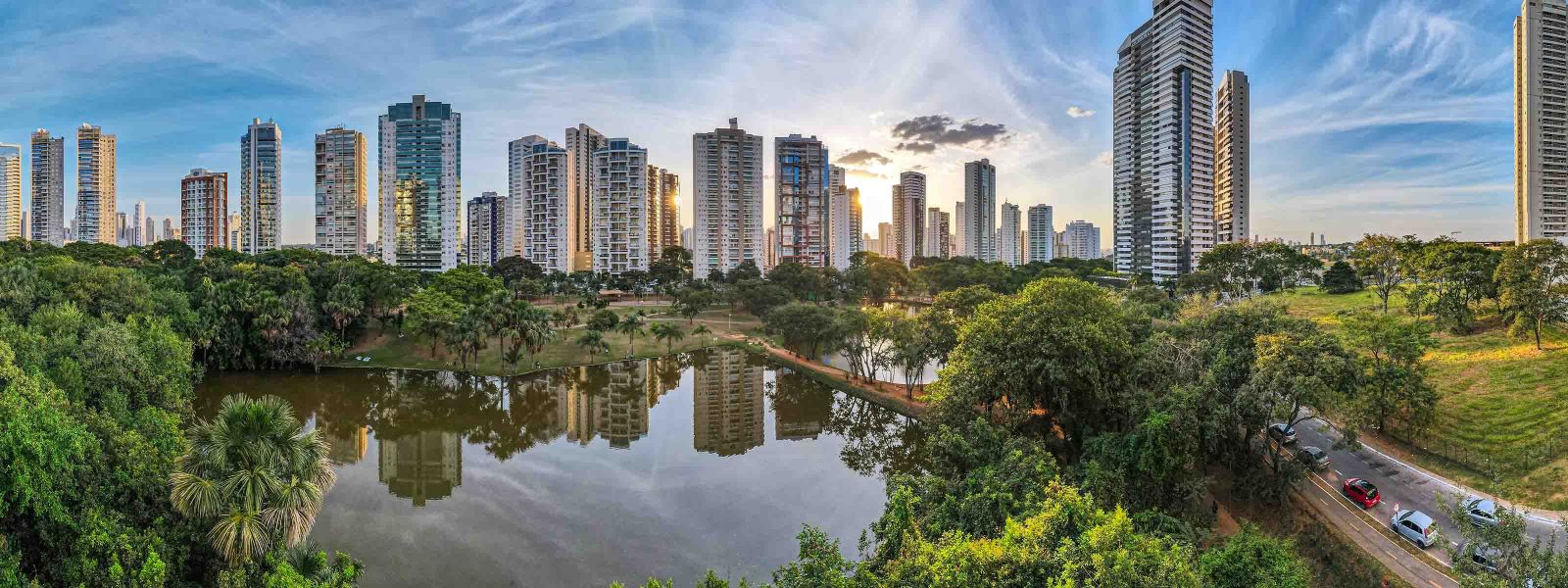
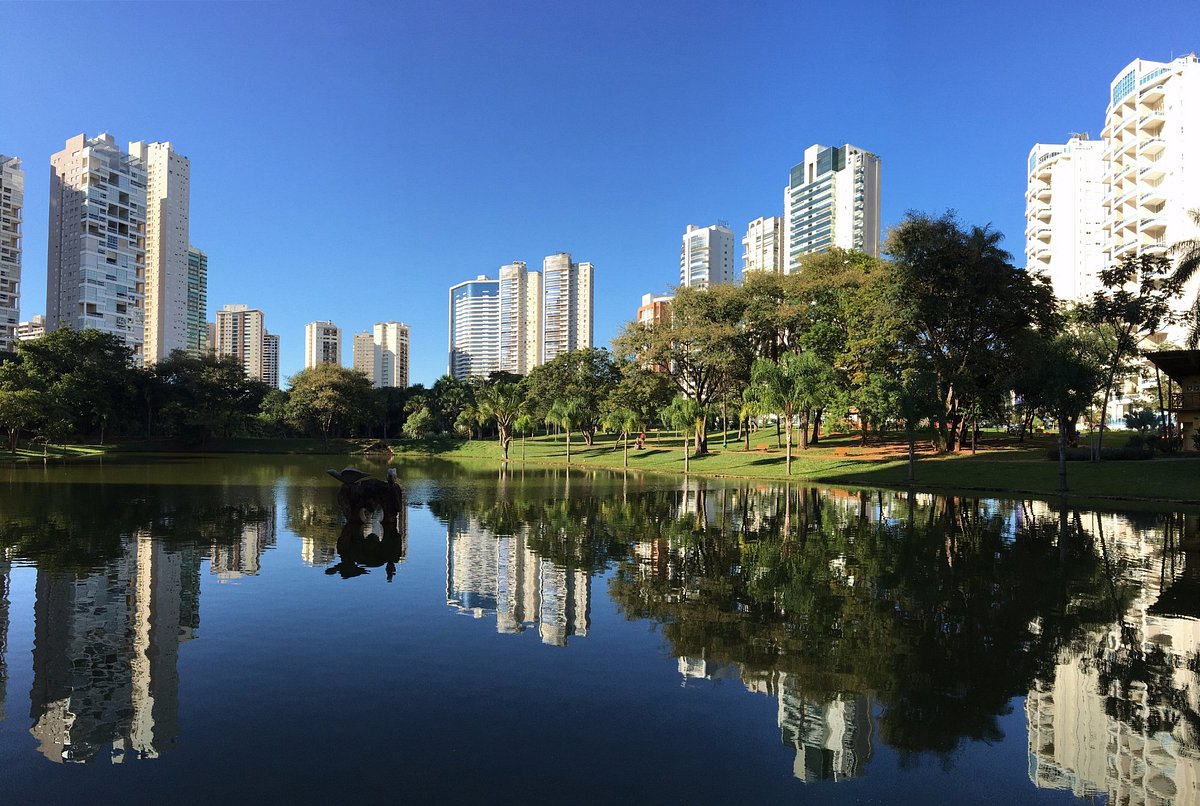
Where the ancient crystal-laden soil meets an endless blue sky, Goiás reveals the spiritual heart of the Brazilian interior. This is a land of monumental plateaus, luminous waterfalls, and a colonial legacy that feels both timeless and refined. From the mystical energy of the highlands to the colonial silence of its first capital, Goiás offers a luxury of depth, space, and transformation.
The Mystical Highlands: Chapada dos Veadeiros
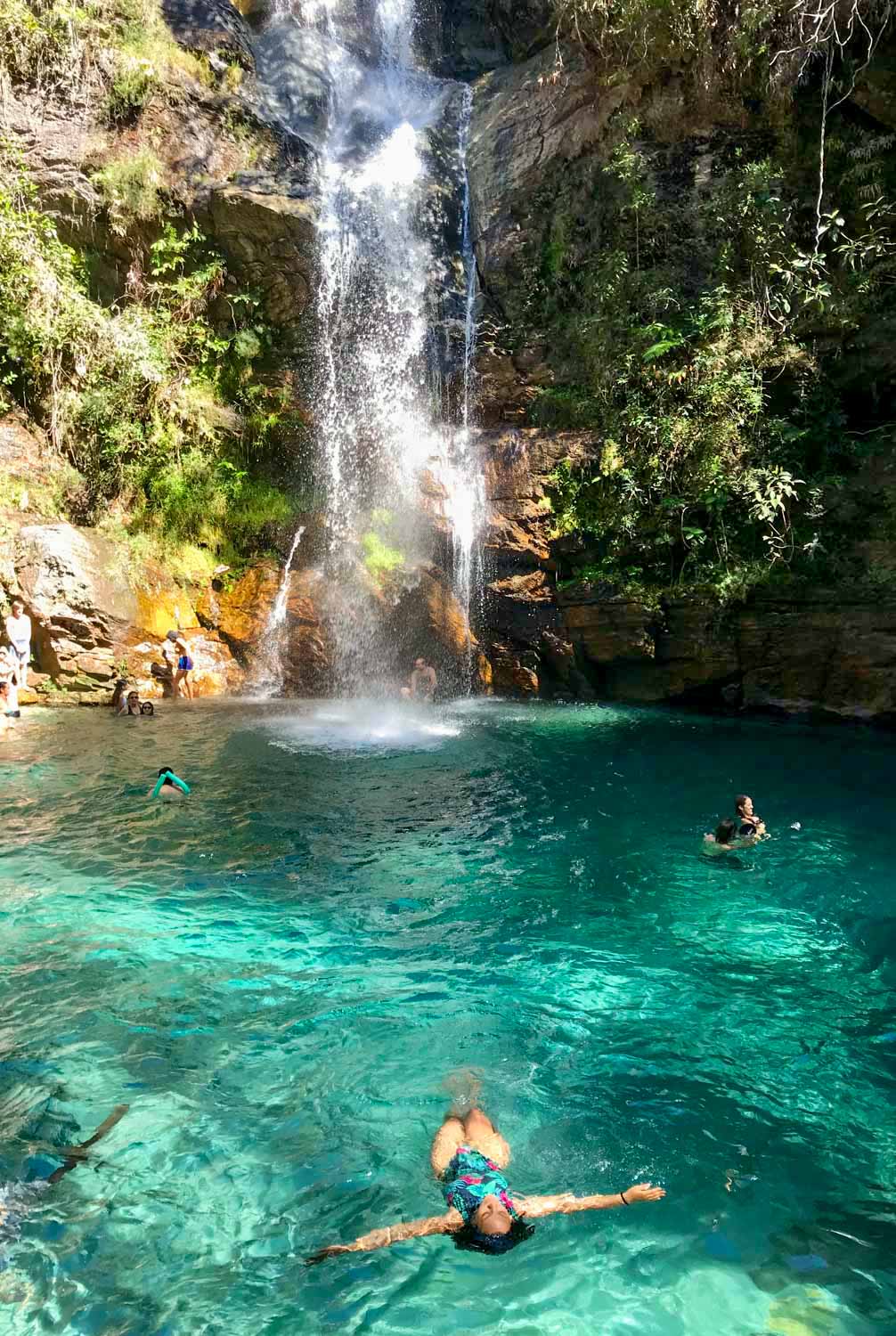
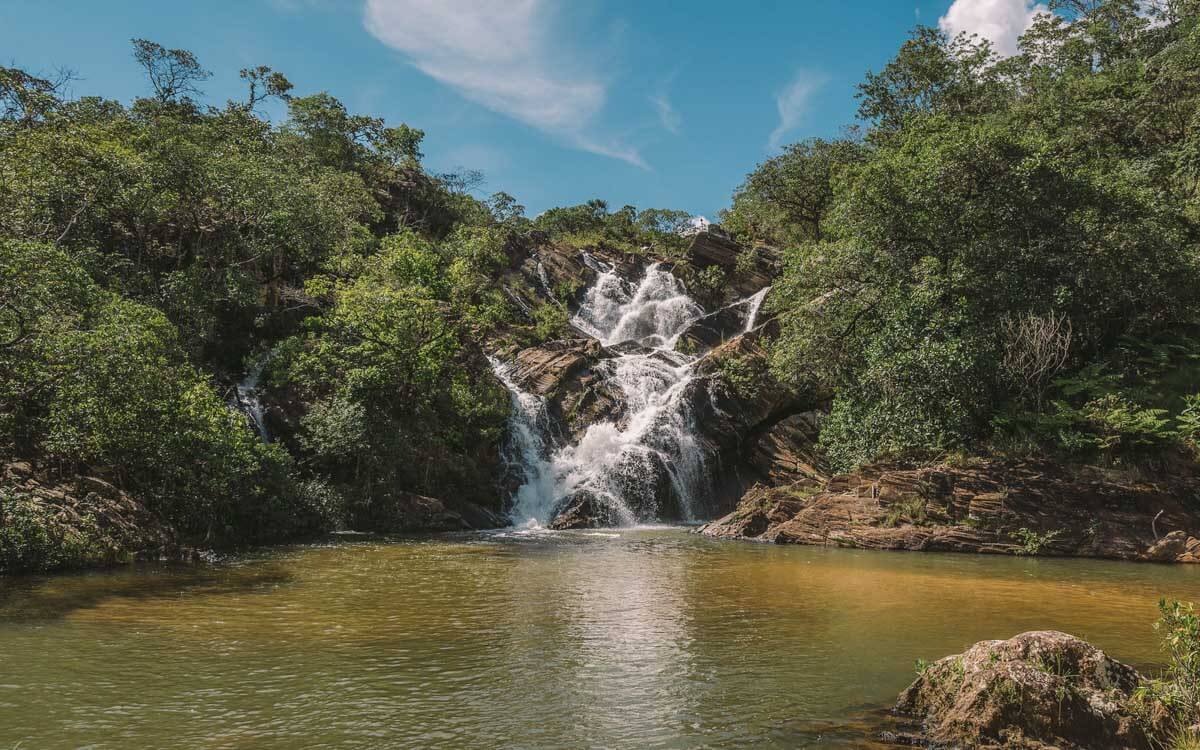
A UNESCO World Heritage site sitting on a massive bed of quartz crystal, the Chapada dos Veadeiros is Brazil’s premier esoteric sanctuary. At Brasilis.Travel, we elevate the wilderness experience. We provide private treks to the Catarata dos Couros and the surreal Moon Valley, far from the standard trails. Stay at elite eco-lodges like Pousada Maya in Alto Paraíso or boutique retreats in the village of São Jorge, where high-end design meets the raw power of the Cerrado.
The Colonial Jewel: Pirenópolis & Cidade de Goiás
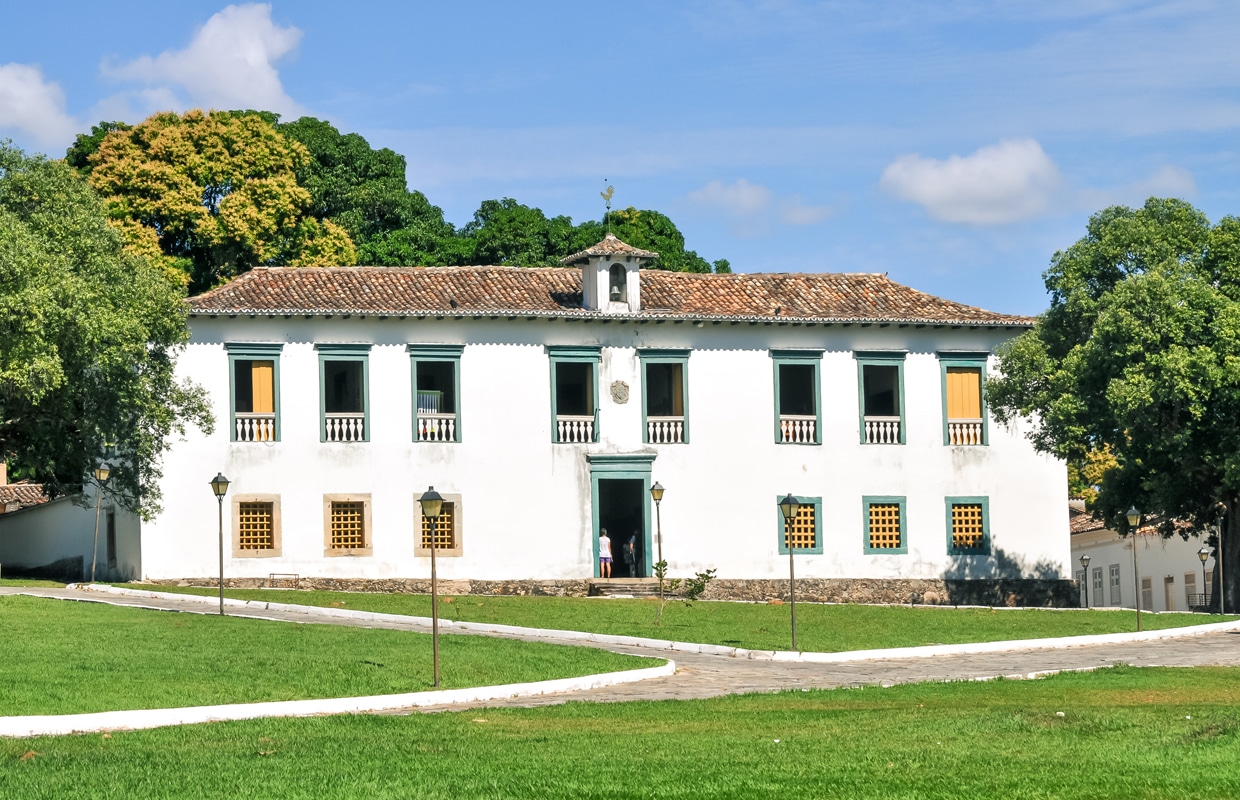
Step back into the 18th century in the cobblestone streets of Pirenópolis. We curate stays at "Pousadas de Charme" such as Villa do Comendador or Casarão Villa do Império, where colonial architecture meets modern spa wellness. Discover the Cidade de Goiás, the former capital and home to poet Cora Coralina, through private history tours that reveal why its colorful casarões were named a UNESCO World Heritage site.
The Thermal Sanctuary: Rio Quente & Caldas Novas
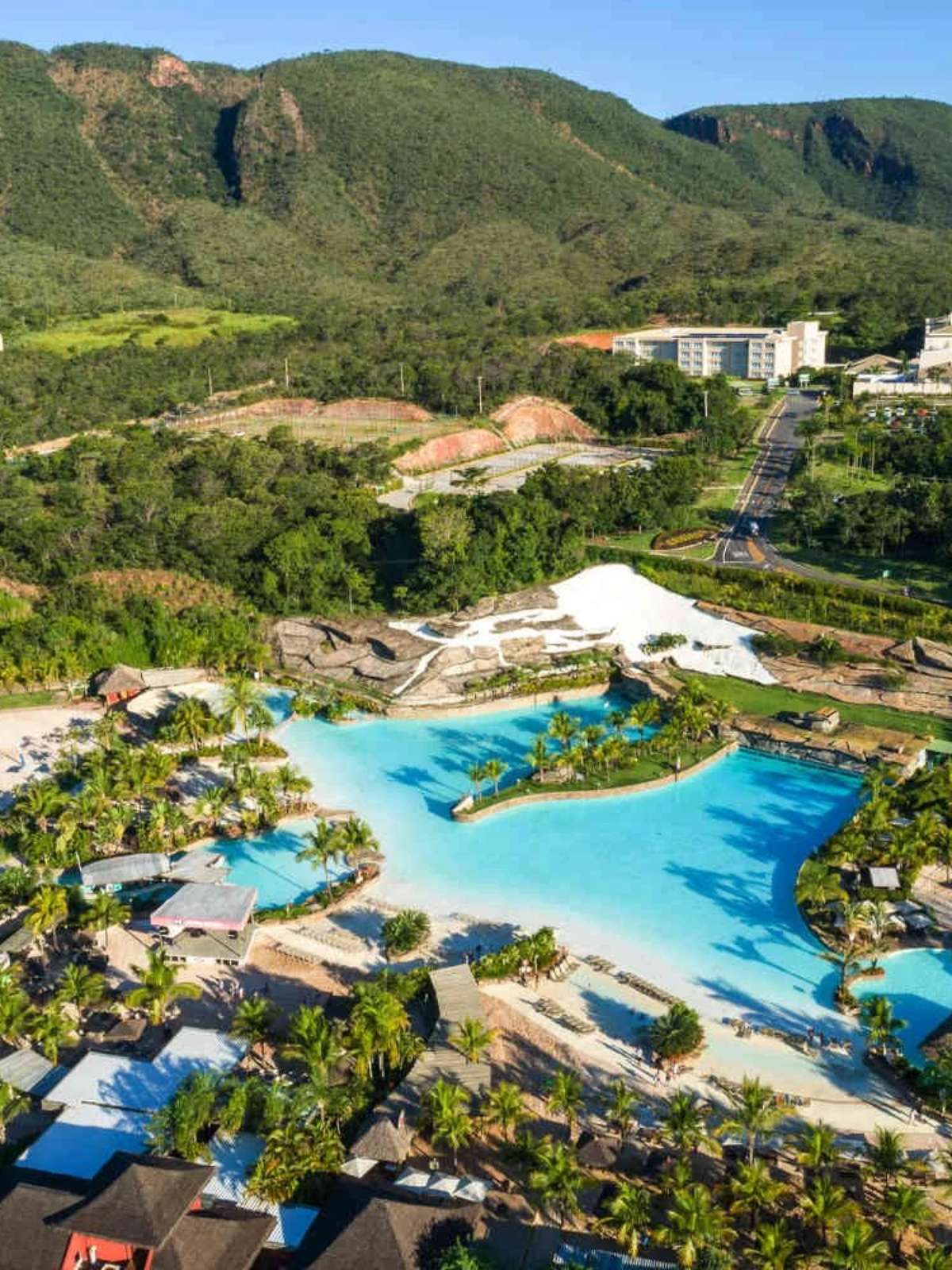
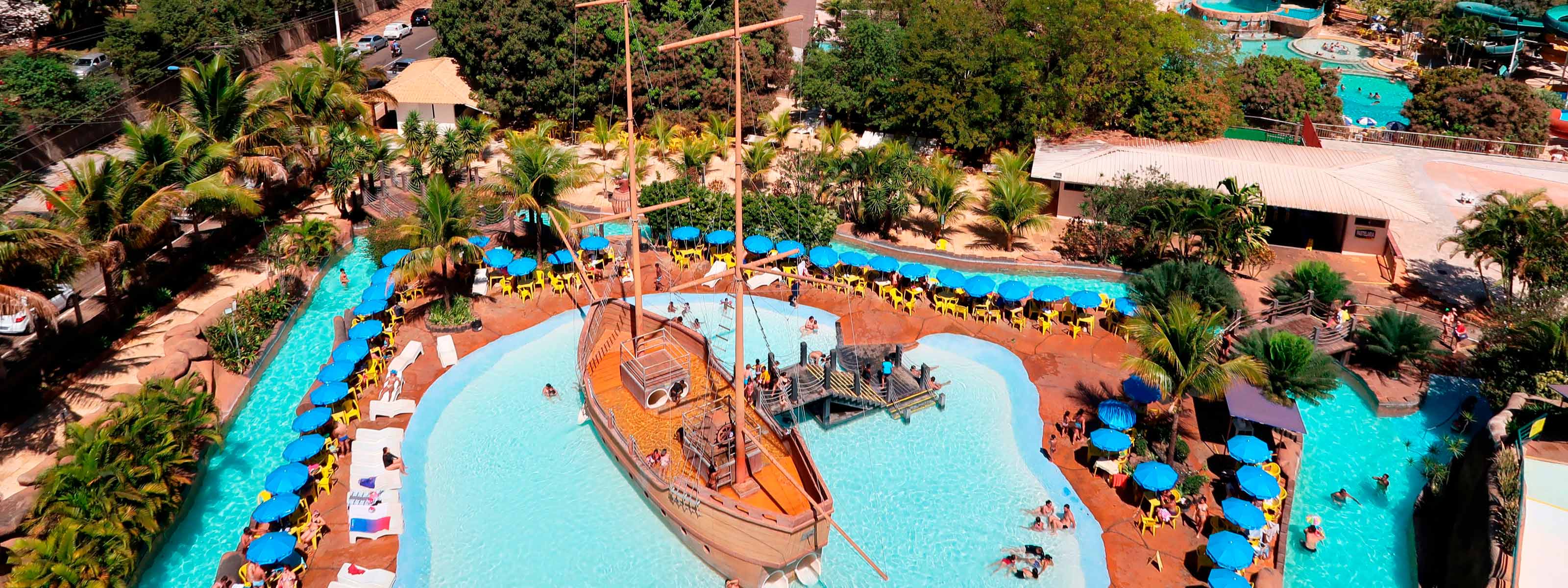
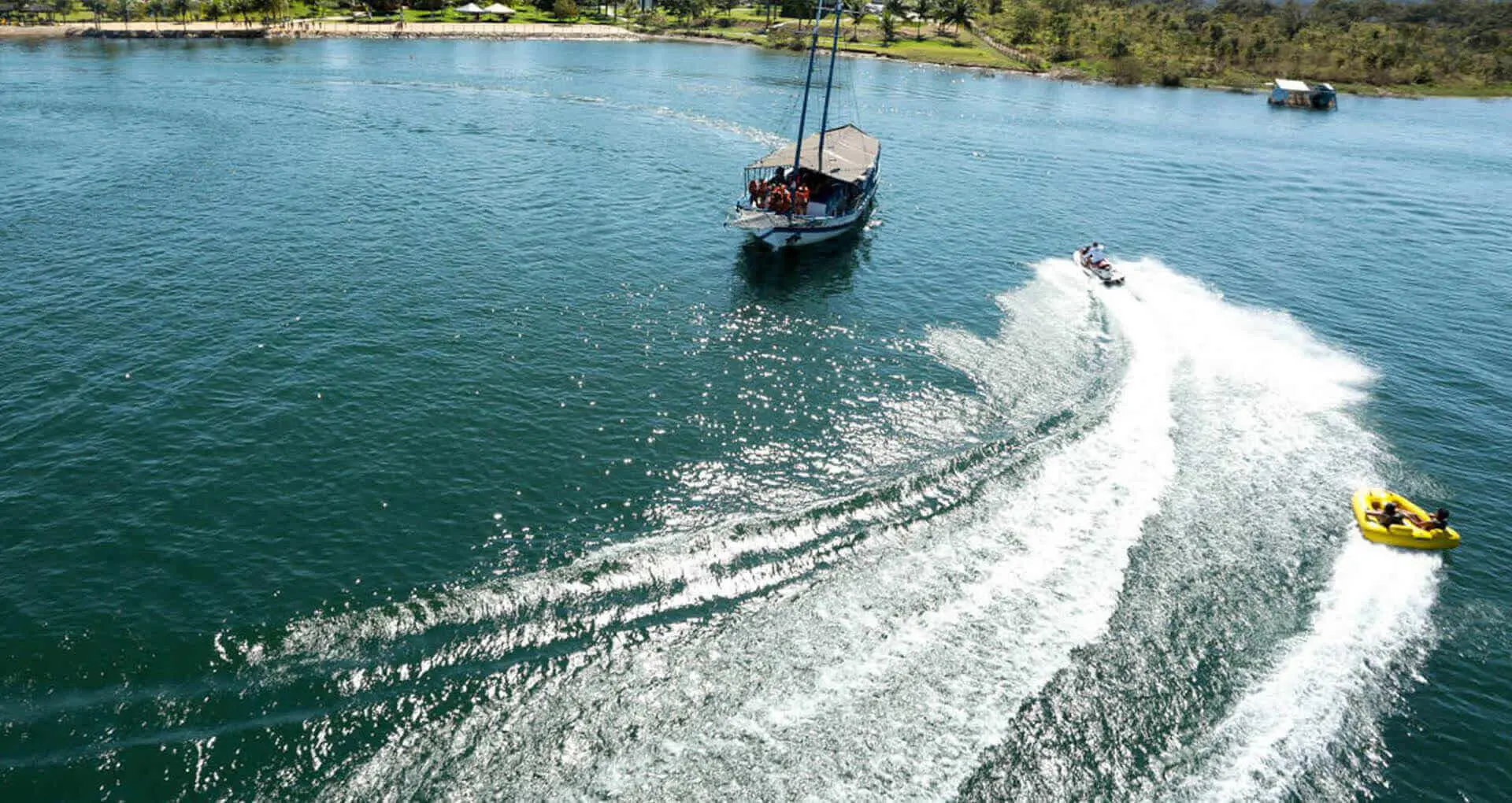
Experience the world’s largest hydrothermal resort area with the "Brasilis" touch. We offer exclusive access to private sections of the Hot Park and stay at the most refined wings of the Rio Quente Resorts. Beyond the pools, we organize private flights over the Serra de Caldas State Park to witness the volcanic origin of these healing waters from above.
The Cosmopolitan Pulse: Goiânia
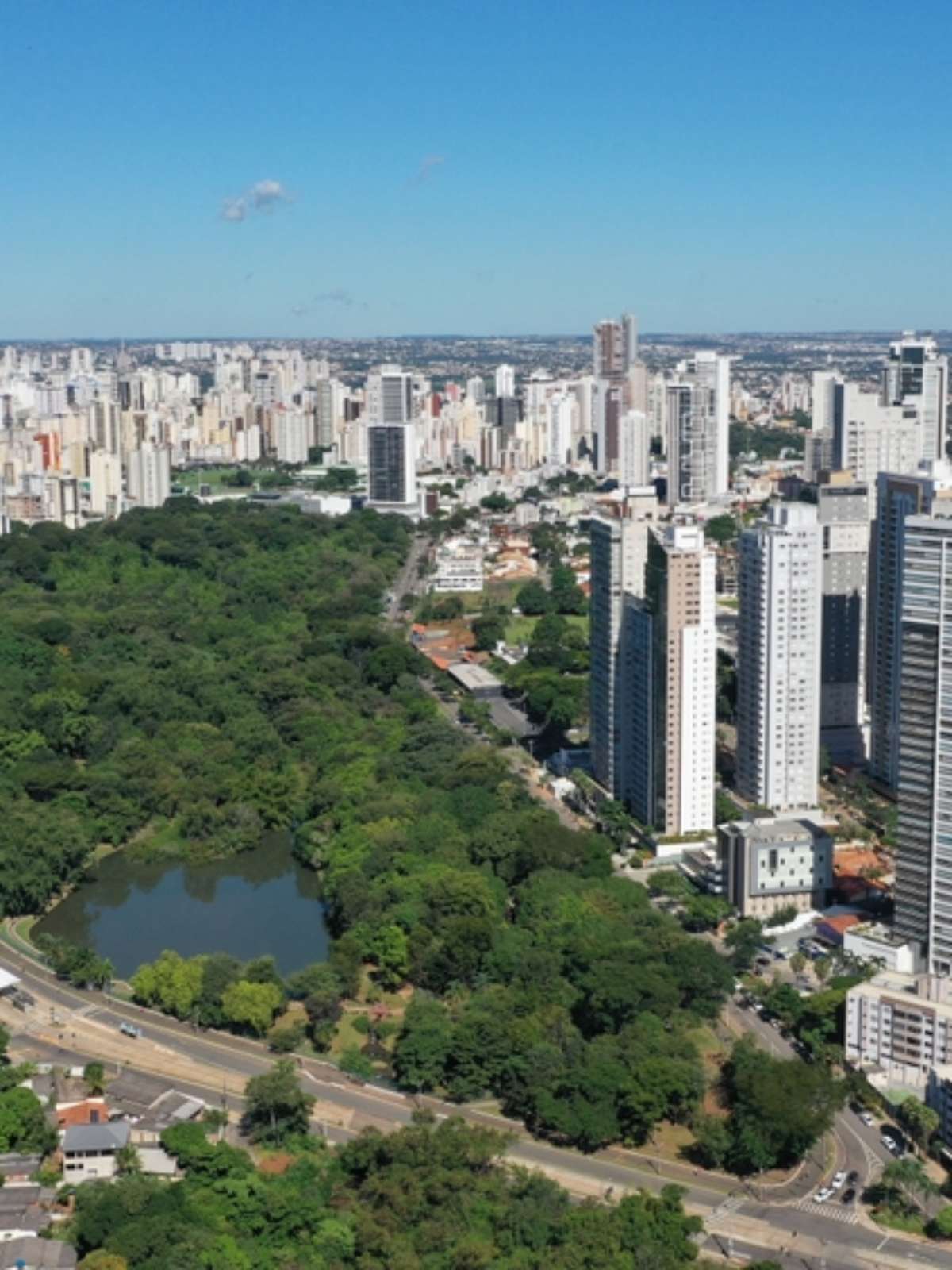
The state’s capital is a vibrant hub of Art Deco architecture and high-end gastronomy. In March 2026, we offer curated tables at the Goiânia Restaurant Week, where the city’s top chefs reinterpret Cerrado ingredients with global techniques. From private art tours at the Oscar Niemeyer Cultural Center to reservations at Michelin-standard spots like Jun Sakamoto, we show the metropolitan face of Goiás.
The Last Frontier: Terra Ronca & Araguaia
For the ultimate adventure, we provide private expeditions to Terra Ronca, one of the largest cave complexes in the world, featuring colossal subterranean cathedrals. In the winter months, we arrange luxury mobile camps on the white-sand banks of the Araguaia River, offering a private "beach" experience in the heart of the continent.


✨ Cerrado Sanctuary
The Chapada dos Veadeiros National Park is a mystical destination filled with crystal-clear waterfalls, quartz rock formations, and unique vegetation. The state also preserves history in the town of Goiás Velho, a UNESCO site with colonial streets. For those seeking relaxation, the city of Caldas Novas is famous for being the world's largest hydrothermal resort, featuring naturally hot pools and water parks.MaranhãoThe Pink FlavorMaranhão offers a unique culinary experience with its "Arroz de Cuxá," a dish made with vinagreira leaves, dried shrimp, and sesame, creating a sour and savory profile found nowhere else. The state is also the only place where "Guaraná Jesus," a bright pink, cinnamon-flavored soda, is a cultural icon. Tropical fruits like Juçara (the local version of açaí) and Bacuri are also essential parts of the daily diet.Sands of TimeThe Lençóis Maranhenses National Park is a natural wonder consisting of vast white sand dunes that fill with crystal-clear rainwater lagoons during the first half of the year. The capital, São Luís, is known as the "City of Tiles" due to the beautiful Portuguese ceramic facades in its historic center, and it is also the Brazilian capital of Reggae, with a unique dance style and vibrant music scene.Mato GrossoPantanal FeastMato Grosso’s food is a celebration of the Pantanal’s bounty. The "Maria Isabel" is a beloved dish consisting of rice cooked with sun-dried meat and local spices. Fish lovers can enjoy "Piranha Broth" or a whole "Pintado" roasted with regional herbs. The state also has a strong cattle culture, meaning high-quality beef is a staple, often served with cassava and fresh salads in traditional farm-style meals.Wildlife FrontiersThis state is a paradise for nature lovers, housing the northern portion of the Pantanal, the best place in the world to spot jaguars in the wild. The Chapada dos Guimarães National Park offers a different landscape with dramatic red sandstone cliffs, immense waterfalls like "Veu de Noiva," and archaeological sites that hold ancient cave paintings and fossils, providing a journey through time and nature.Mato Grosso do SulBorder FlavorsThe cuisine here is a unique blend of Brazilian, Paraguayan, and indigenous influences. "Tereré," a cold-brewed herbal mate tea, is consumed everywhere from offices to parks. The "Sopa Paraguaia" is actually a savory corn cake with cheese and onions, while the "Locro" stew provides warmth during the cooler months. The fresh river fish, particularly the Pacu and Dourado, are served grilled or stuffed with regional vegetables.Crystal Clear WatersBonito is the crown jewel of Mato Grosso do Sul, an international hub for ecotourism where visitors can snorkel in rivers so clear they look like aquariums. The Blue Lake Grotto features a stunning underground pool with deep blue water and prehistoric fossils. Additionally, the southern Pantanal offers an incredible safari experience where giant otters, macaws, and caimans are easily spotted.Minas GeraisThe Cheese KingdomMinas Gerais is the heart of Brazilian comfort food. It is the birthplace of the "Pão de Queijo," a warm cheese bread made with local cured cheese and cassava flour. The traditional "Feijão Tropeiro," a mix of beans, manioc flour, sausage, and eggs, was originally created by muleteers traveling across the state. No meal is complete without a slice of Minas Cheese paired with "Goiabada" (guava paste) for dessert.Baroque TreasuresThe state is a treasure trove of colonial history, with cities like Ouro Preto and Tiradentes featuring cobblestone streets and churches decorated with tons of gold. Inhotim, located in Brumadinho, is one of the largest outdoor contemporary art museums in the world, blending botanical gardens with avant-garde galleries. For nature lovers, the Serra da Canastra offers the spectacular Casca d'Anta waterfall and the source of the São Francisco River.ParáAmazonian SoulPará is considered by many to be the most authentic gastronomic destination in Brazil. The "Pato no Tucupi" (duck in fermented cassava juice) and the "Maniçoba" (a stew made from cassava leaves boiled for seven days) are legendary. The Ver-o-Peso market in Belém is a sensory explosion where you can find "Açaí" in its purest form, traditionally eaten unsweetened with fried fish and farinha de mandioca.Gateway to the NorthBelém is a city where colonial architecture meets the rainforest, highlighted by the "Estação das Docas," a refurbished port area full of bars and culture. Across the bay lies Marajó Island, the world’s largest river-sea island, famous for its massive water buffaloes and ancient ceramics. The state also hosts the Círio de Nazaré, one of the world's largest religious processions, drawing millions of people every October.ParaíbaSun and SpiceParaíba’s food is a rich mix of coastal seafood and hearty inland "Sertanejo" fare. The "Rubacão" is a local favorite, a creamy variation of rice and beans cooked with sun-dried meat, coalho cheese, and heavy cream. In the "Agreste" region, goat meat is a delicacy, often served as "Bode Rei." The state is also famous for its high-quality cachaça and the sweet "Bolo de Rolo" which has become a regional symbol of hospitality.Easternmost ShoresParaíba is where the sun rises first in the Americas, specifically at Ponta do Seixas in João Pessoa. The capital is known for being one of the greenest cities in the world and features the historic São Francisco Cultural Center. Nature lovers flock to the "Areia Vermelha" sandbar and the "Lajedo de Pai Mateus," a mystical rock formation in the interior that looks like an alien landscape with its giant boulders.ParanáThe Pine Nut FeastThe signature dish of Paraná is "Barreado," a beef stew that is slow-cooked in a sealed clay pot for over 20 hours until the meat completely dissolves, traditionally served with banana and manioc flour. The state also celebrates its colder climate with "Pinhão" (the seed of the Araucaria pine tree), which is roasted or used in various recipes. In the south, the influence of German and Polish immigrants is visible in the local sausages and pastries.Nature's ThunderThe Iguaçu Falls in Foz do Iguaçu are one of the New Seven Wonders of Nature, featuring 275 waterfalls that create a breathtaking spectacle on the border with Argentina. The state also offers the scenic Serra Verde Express train ride through the Atlantic Forest to the historic town of Morretes. In the capital, Curitiba, the Botanical Garden and its iconic glass greenhouse have become symbols of Brazilian urban planning and beauty.PernambucoThe Sugar LegacyPernambuco’s history of sugar plantations created a world-class tradition of sweets, including the "Bolo de Rolo" (a thin sponge cake rolled with guava paste) and "Cartola" (fried bananas with cheese and cinnamon). Savory favorites include "Arrumadinho," a plate of sun-dried meat, beans, and fresh vinaigrette. The state is also famous for "Tapioca," sold at every street corner with a variety of sweet and salty fillings.Cultural HeritageOlinda, with its steep hills and colorful colonial houses, is a UNESCO World Heritage site and home to the famous Giant Puppets during Carnival. The capital, Recife, is often called the "Venice of Brazil" due to its many bridges and rivers. For beach lovers, Porto de Galinhas offers crystal-clear natural pools, while the archipelago of Fernando de Noronha is a world-renowned marine sanctuary with some of the best diving on the planet.PiuaiRustic TraditionThe cuisine of Piauí is deeply rooted in the flavors of the land. A must-try is "Maria Isabel," a dish of rice and sun-dried meat that is a regional staple. The state also utilizes the Cashew fruit in innovative ways, including the "Cajuína" drink, which is a clarified cashew juice and a point of cultural pride. Guinea fowl, known locally as "Capote," is often prepared with rice and regional herbs, offering a lean and flavorful taste of the interior.Ancient EchoesPiauí is home to the Serra da Capivara National Park, which contains the largest concentration of prehistoric rock paintings in the Americas, set against dramatic cliff landscapes. The Parnaíba Delta is another natural wonder, where the river branches into a labyrinth of islands and mangroves before reaching the sea. For adventure seekers, the "Sete Cidades" National Park offers bizarre rock formations that resemble ruins of ancient cities.Rio de JaneiroUrban ClassicsRio is the birthplace of the Brazilian "Feijoada," the black bean and pork stew that has become the national dish, traditionally served on Saturdays with orange slices and kale. On the beaches, the culture of "Biscoito Globo" (manioc flour puffs) and cold "Mate" tea with lemon is a protected heritage. The city also offers a vibrant "boteco" culture, where fried snacks like "coxinha" and "bolinho de bacalhau" are paired with icy beers.The Marvelous CityThe state offers a mix of iconic urban landmarks and mountain retreats. In the capital, the Christ the Redeemer statue and Sugarloaf Mountain provide world-famous views. Further inland, the "Imperial City" of Petrópolis features the summer palace of Brazil's former emperors. Along the coast, the "Lakes Region" offers the trendy beaches of Búzios, while the "Green Coast" features the historic colonial town of Paraty and the pristine Ilha Grande.Rio Grande do NorteCoastal CrunchKnown as the "Land of the Shrimp," this state offers some of the best seafood in Brazil. A unique local tradition is "Ginga com Tapioca," which consists of small fried fish served inside a warm tapioca crepe, usually found at the Redinha Market. The state also produces excellent sun-dried meat, often served with "macaxeira" (cassava) and "manteiga de garrafa" (bottled butter), reflecting the flavors of the nearby outback.Monumental DunesNatal, the capital, is famous for the "Morro do Careca," a massive sand dune that ends in the sea. The state is a hub for buggy adventures through the Genipabu dunes, where lagoons and "aerobunda" (zip-lining into water) provide endless fun. It is also home to the world's largest Cashew Tree in Pirangi and the stunning cliffs of Pipa, a bohemian beach town famous for dolphin sightings and surfing.Rio Grande do SulGaucho GrillThe food culture here is centered around the "Churrasco," a traditional barbecue where large cuts of meat are skewered and slow-roasted over wood embers. This is almost always accompanied by "Chimarrão," a bitter, hot herbal mate tea shared in a social circle. The southern mountains also have a strong Italian influence, offering incredible handmade pastas, polenta, and some of Brazil’s finest sparkling and red wines.Canyons and VinesThe "Serra Gaúcha" mountain range is a top destination, featuring the European-style cities of Gramado and Canela, famous for their chocolate shops and winter festivals. For nature enthusiasts, the Aparados da Serra National Park houses the monumental Itaimbezinho Canyon, with vertical walls dropping 700 meters. The "Vale dos Vinhedos" offers a sophisticated landscape of rolling hills covered in vineyards and world-class wineries.RondôniaFrontier CuisineRondônia’s food reflects its history as a frontier state, mixing flavors from the Amazon with the traditions of southern and northeastern migrants. Freshwater fish like "Tucunaré" and "Tambaquí" are staples, often prepared with regional herbs. The state is also a major producer of high-quality coffee and cocoa. A popular street food is the "Tapioca" filled with local ingredients, providing a quick and nutritious meal for the hardworking population.River and RailThe history of the state is tied to the Madeira-Mamoré Railroad, known as the "Devil's Railroad," whose remnants can still be visited in Porto Velho. The Madeira River is a massive waterway where visitors can take boat trips to see pink river dolphins and experience the vastness of the Amazonian landscape. The Pacaás Novos National Park offers a glimpse into the state’s rugged interior, featuring mountains that rise above the jungle canopy.RoraimaNorthern SpiceRoraima’s cuisine is a unique mix of indigenous traditions and influences from its northern neighbors, Venezuela and Guyana. The "Damurida" is a spicy fish or meat broth made with various types of peppers and served with cassava bread (beiju). The state also makes extensive use of the "Buriti" fruit in juices and sweets. Because of its location, you can also find a local version of "Arepas" and other Caribbean-inspired corn dishes in the markets.Mountaintop DreamsThe ultimate attraction is Mount Roraima, a massive flat-topped "tepui" mountain that inspired Arthur Conan Doyle's "The Lost World." It is one of the oldest geological formations on Earth, located at the triple border of Brazil, Guyana, and Venezuela. The capital, Boa Vista, is known for its fan-shaped urban layout and the Monument to the Pioneers, celebrating the diverse people who built this remote northern outpost.Santa CatarinaEuropean HeritageThe coast of Santa Catarina is the oyster capital of Brazil, producing fresh, world-class bivalves in Florianópolis. Inland, the German heritage brings "Eisbein" (pork knuckle) and "Kassler" to the table, especially during the famous Oktoberfest in Blumenau. The state also boasts a strong tradition of artisanal cheeses and "Pinhão" dishes in the colder mountain regions, where Italian and German immigrants settled in the 19th century.Island of MagicFlorianópolis, the capital, is an island with 42 beaches, ranging from the calm waters of Daniela to the surfing paradise of Joaquina. The state also features the "Serra do Rio do Rastro," a winding mountain road with breathtaking hairpin turns and views. In the winter, the cities of Lages and São Joaquim are among the few places in Brazil where it occasionally snows, attracting tourists seeking cozy fires and mountain scenery.São PauloGlobal Melting PotSão Paulo is the gastronomic capital of Latin America, where you can find world-class Italian pizza, Japanese sushi (home to the largest Japanese community outside Japan), and Middle Eastern delights. The "Virado à Paulista" (rice, beans, pork chop, kale, and egg) is the city’s traditional Monday meal. Don't miss the "Mortadella Sandwich" at the Municipal Market, a massive creation that has become a rite of passage for foodies.Metropolitan PulseThe capital is a cultural giant, featuring the MASP museum with its iconic red pillars and the bustling Avenida Paulista. For a change of pace, the state offers the lush Atlantic Forest of the "Serra do Mar" and the upscale beaches of the northern coast, like Ubatuba and São Sebastião. The mountain town of Campos do Jordão, known as the "Brazilian Switzerland," is a popular winter destination for its architecture and jazz festivals.SergipeCrab TraditionsIn Sergipe, life slows down to the rhythm of cracking crab shells. The "Caranguejo" is the state’s culinary icon, usually boiled in a flavorful broth and served at beach kiosks along the "Passarela do Caranguejo" in Aracaju. Another regional treasure is the "Arroz de Polvo" (octopus rice) and the "Moqueca de Camarão," always served with a side of "pirão" made from the cooking juices and manioc flour.Canyon MajestyThe star attraction is the Xingó Canyon on the São Francisco River, where bright orange sandstone walls rise from emerald green waters; it is one of the largest navigable canyons in the world. The capital, Aracaju, is praised for its clean beaches and the modern Atalaia Boardwalk, which features oceanariums and cultural centers. The historic city of São Cristóvão, the fourth oldest in Brazil, is home to the stunning São Francisco Square.TocantinsRiver and CerradoTocantins offers a rustic and flavorful cuisine that bridges the North and Center-West. The "Chambari" is the most traditional dish, consisting of slow-cooked beef ossobuco seasoned with garlic, pepper, and cilantro, typically served with rice and farinha. The state also utilizes Cerrado fruits like "Pequi" and "Cagaita," and river fish such as "Tucunaré" are commonly grilled or prepared in "caldeirada" stews with local vegetables.Golden OasisJalapão State Park is one of Brazil’s most stunning hidden gems, featuring orange sand dunes, towering waterfalls, and the "fervedouros"—crystal-clear spring pools where the water pressure is so high it’s impossible to sink. The state also boasts the Cantão State Park, a unique ecosystem where the Amazon meets the Cerrado, and the Araguaia River, which becomes a popular destination for "river camping" and freshwater beaches during the dry season.

🍗 Heartland Comfort
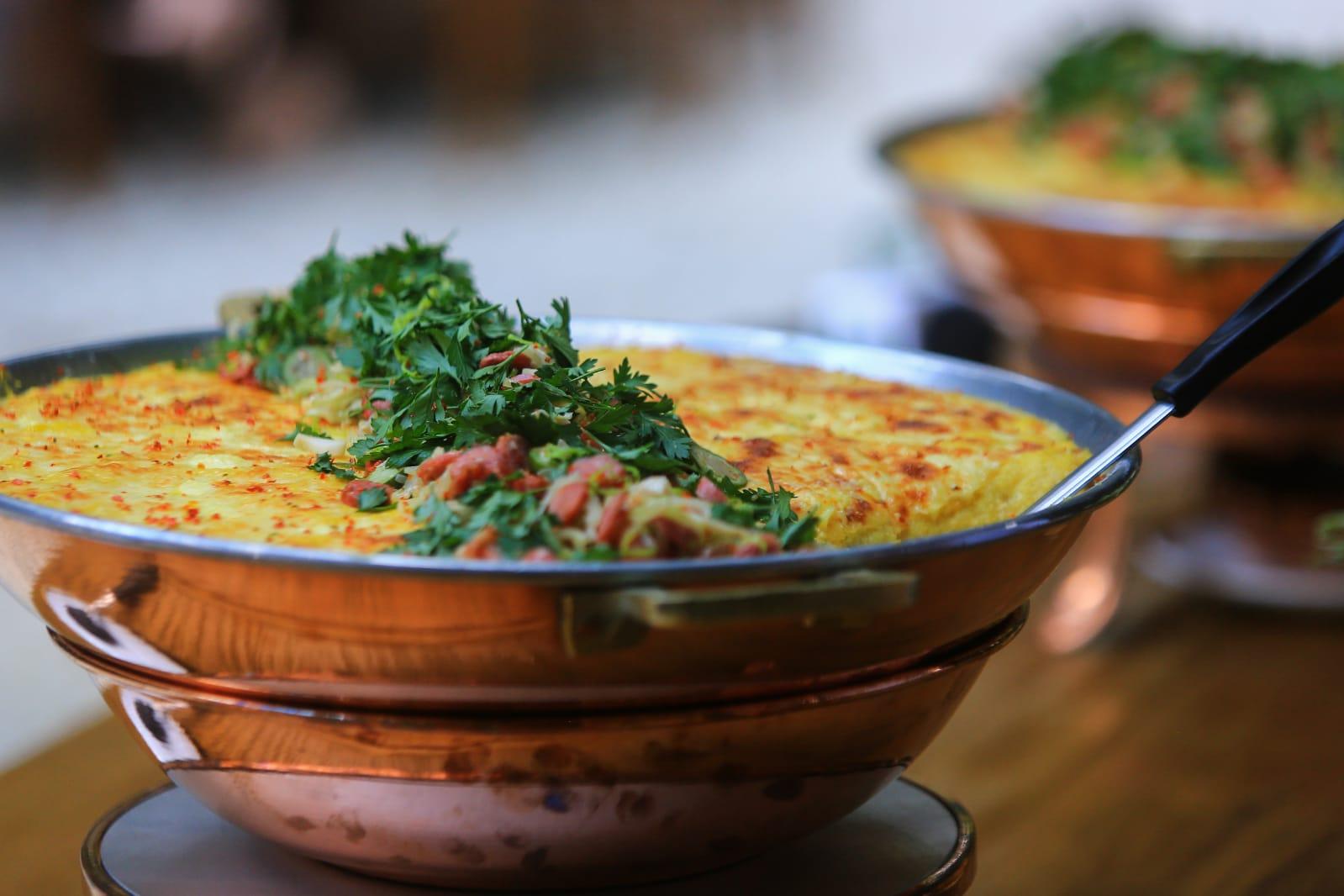
The gastronomy of Goiás is soulful and aromatic, heavily influenced by the Cerrado forest. The "Arroz com Pequi" is the most iconic dish, featuring a yellow fruit with a strong aroma and tiny thorns inside (watch out!). Another favorite is the "Empadão Goiano," a massive savory pie filled with chicken, pork, sausage, and olives, reflecting the generous hospitality of the Brazilian central highlands.


/https://s04.video.glbimg.com/x720/11026459.jpg)

If you got here you must be a real explorer. here some extra knowledge about this state!


Pequi
Lobo-guará